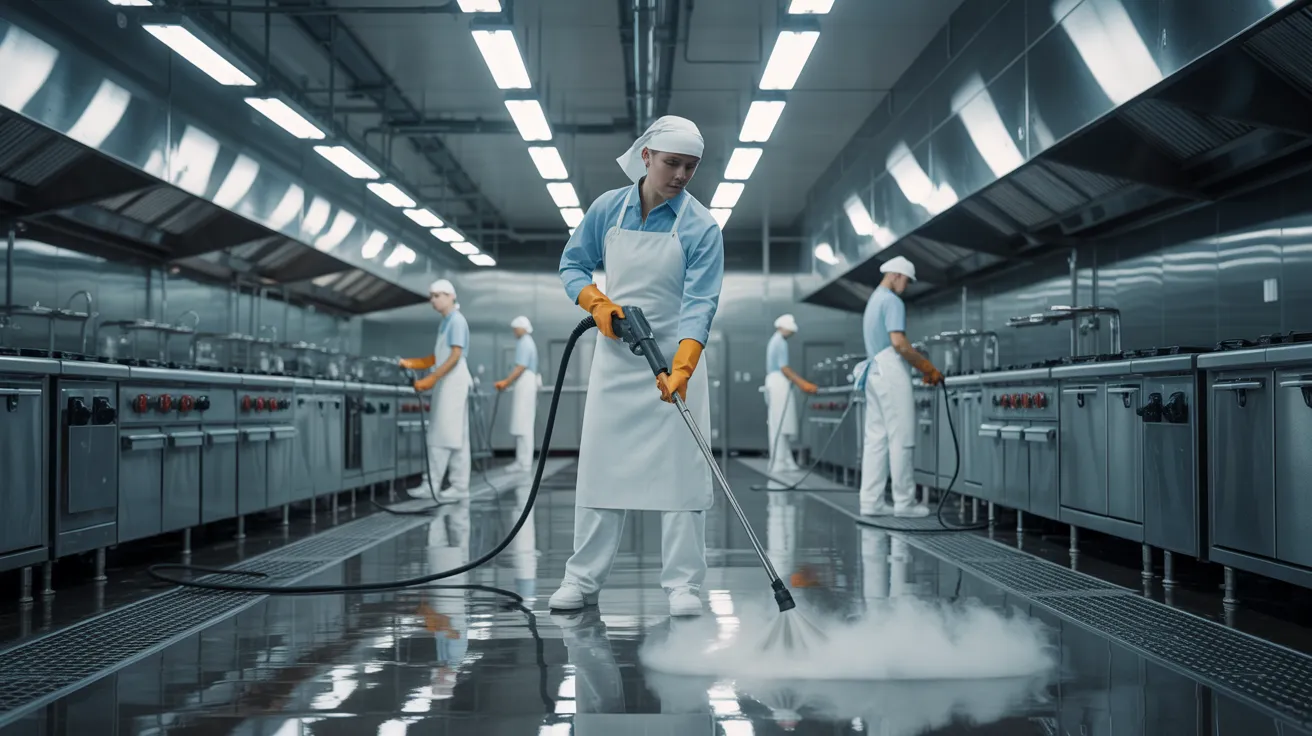
Commercial hygiene experts located in Brampton help maintain food service establishments, food distribution facilities, bakeries, warehouses, and mobile food units to sanitation standards. They treat frequently handled areas, food prep surfaces, equipment, floors, drains, restrooms, and preparation zones with certified chemicals, in correct dilution, and with verified times.
Essential Summary
- Food safety cleaning technicians from Brampton work with restaurants, grocery departments, commissaries, warehouses, bakeries, schools, mobile vendors, and allergen-sensitive operations.
- They treat high-touch surfaces, food-contact equipment, kitchens, floors, drains, restrooms, and storage areas using zone-based workflows to prevent cross-contamination.
- Recording of conclusion through tests, inspections, and action records validates qualified providers have checked proper chemical concentration, compatibility, and contact time.
- Proper cleaning calendars factor in danger, throughput, transitions, accidents, and requirements when designating everyday, weekly, and cyclical operations by area.
- Suppliers must possess hazard analysis knowledge, public-health knowledge, WHMIS instruction, liability, references, colour-coded tools, and compliance-ready sanitation files.
Food Safety Cleaning Requirements for Brampton Facilities
Any Brampton facility that manages, stores, prepares, packages, or serves food needs hygiene cleaning. You must follow it if your establishment falls under health inspection, premises standards, or HACCP protocols. That requirement covers eateries, dining facilities, food distribution centers, supermarket departments, meat markets, fish counters, corner stores, and commercial kitchens.
You also need proper hygiene cleaning in distribution centers, food processing plants, freezer facilities, commercial bakeries, educational nutrition programs, event spaces, and catering hubs. Portable and seasonal businesses count too, including mobile kitchens, festival sellers, and temporary food stands. If your staff process ingredients, portion ready-to-eat items, reheat products, or store allergens, your facility needs documented cleaning protocols. In Brampton, hygiene isn't discretionary; it's part of regulatory, business, and safety compliance.
Which Areas Do Brampton Cleaning Experts Cover?
Your operation needs cleaning professionals who disinfect frequently contacted surfaces, cooking and food prep areas, all floor types, and toilet facilities to maintain food safety compliance and public health standards. These zones receive attention due to their elevated cross-contamination potential, trip and slip dangers, and breaches of sanitation codes.
Knowing their service areas allows you to confirm your facility's cleaning meets required standards and regulations.
Cleaning High-Touch Surfaces
set how regularly each area is cleaned
validate effective sterilization
Kitchen Areas, Floor Surfaces, and Bathroom Spaces
Expect Brampton cleaning experts to focus on kitchens, floors, and restrooms because each area carries unique foodborne illness prevention, accident prevention, and sanitation risks. In industrial kitchens, you need degreasing on cook lines, equipment exteriors, drains, prep surfaces, and splash zones to reduce contamination and pest pressure.
You should also expect documented floor care. is also provided as part of the service.
In restrooms, cleaners treat touchpoints, fixtures, partitions, dispensers, and waste containers then restock supplies and control odours. They also maintain restaurant cleaning supply rooms where product storage, sink cleanliness, and drain systems impact daily sanitation standards and worker protection.
How Food Safety Cleaning Benefits Brampton Operations
To comply with health code requirements and succeed in audits, Brampton establishments must maintain food-safe cleaning standards. You also minimize cross-contamination by cleaning and sanitizing food-contact surfaces, equipment, and high-touch areas correctly. Most importantly, you help protect public health by lowering the risk of foodborne illness in your facility.
Regulatory Code Requirements
Brampton food establishments must comply with stringent health requirements, so sanitation practices is essential to satisfying health codes, protecting customers, and eliminating penalties. You must maintain hygienic food handling zones, written maintenance records, safe chemical management, and verifiable staff procedures that comply with municipal and provincial inspection expectations.
Comprehensive sanitation documentation aid you in demonstrating due diligence during official assessments and establishing your methods follow standardized patterns that are replicable and overseen.
Contamination Prevention
Maintaining regulatory compliance copyrights on your capacity to prevent cross-contamination during everyday food preparation and sanitation. You need to partition uncooked items from finished dishes, sterilize work zones between assignments, and position cleaning agents away from food surfaces. Clear procedures reduce transfer risks and reinforce steady regulatory adherence.
Implementing allergen separation helps ensure major allergens don't touch communal work zones, bins, or devices. Deploy dedicated cutting boards, color-coded tools, and strict utensil labeling so staff don't mix items while preparing or distributing. Require handwashing after handling raw meat, seafood, eggs, or allergen-containing products. Replace wiping cloths regularly, and validate disinfectant levels using test strips. When you train staff to follow these controls every shift, you create a cleaner, safer operation that meets Brampton's food safety expectations daily.
Community Health Protection
When food safety cleaning weaken, you don't only risk a failed inspection—you raise the likelihood of foodborne illness affecting customers, staff, and the larger Brampton community. You also undermine your responsibility in protecting public health, especially in busy food facilities where pathogens travel quickly through surfaces, equipment, and touchpoints.
You need cleaning protocols that eliminate contaminants, sanitize correctly, and verify results. That requires adhering to contact times, using approved disinfectants, recording cleaning times, and educating employees to meet health-unit expectations. These controls support pathogen reduction by lowering microbial loads before they contaminate surfaces or food. In Brampton, strong sanitation shields at-risk groups, prevents disease spread, and enables you to show due diligence. When you maintain proper standards, you don't just meet regulations—you substantially decrease danger and promote secure food handling throughout the region.
How Can Cleaning Practices Ensure Food Safety Compliance?
Implementing rigorous cleaning routines improves food safety compliance by reducing contamination risks, preventing pathogen multiplication, and ensuring your facility complies with sanitation requirements under HACCP-based programs and public health regulations. You validate that food-contact surfaces remain visibly clean and microbiologically controlled, supporting documented preventive controls and inspection readiness.
Cleaning initiatives additionally fortify allergen prevention by eliminating residues that can provoke undeclared allergen exposure.
What's the Best Time to Plan Commercial Cleaning?
regular routine cleaning
facility shutdowns, weather-related soil accumulation, or pest management times
How Do You Choose Brampton Cleaning Experts?
Begin by evaluating providers based on sanitation compliance standards—not solely on budget. You should confirm that each organization comprehends CFIA, public health, and HACCP-based requirements applicable to your facility. Request insurance certificates, WHMIS compliance, staff training documentation, and oversight procedures. Assess whether technicians recognize cross-contamination risks, chemical handling protocols, and verifiable sanitation records.
You should also assess business dependability and accountability. Request references from food facilities in Brampton, then examine turnaround periods, corrective actions, and communication standards. Confirm the company supports supplier audits and can present inspection-ready documentation when regulators or third parties request evidence. Check whether equipment maintenance is performed, color-coded implements are used appropriately, and facility-specific risks are recognized. A competent service protects regulatory adherence, product integrity, and your brand reputation.
What's covered in a sanitation cleaning strategy?
Put together a written plan that establishes every sanitation task, standard, and responsibility before production begins. You should specify cleaning frequencies, approved chemicals, dilution rates, contact times, tools, and verification methods for each sector, surface, and equipment. Add pre-operational inspections, corrective actions, and employee training requirements.
Your plan should also tackle cross-contamination controls, waste handling, pest-prevention measures, and documented schedules for facilities, drains, flooring, and food-preparation surfaces. Outline how you'll distinguish between uncooked and prepared items, support ingredient tracking, and keep accurate allergen labeling through validated cleaning between product changes. You should assign accountability, keep signed records, and evaluate results against regulatory standards, HACCP controls, and customer requirements. When gaps appear, update procedures immediately and retrain staff.
Frequently Asked Questions
Do cleaning services operate during nighttime hours at Brampton facilities?
If you run regulated facilities, you'll also require documentation that enable audits and ensure compliance.
Are emergency spill response services provided from sanitation professionals?
Yes, you can expect many Brampton cleaning experts to provide hazard containment solutions. They handle hazard containment, evaluate dangers, contain contamination, and begin swift cleanup to minimize risk and operational disruption. You should confirm their response times, training certifications, PPE protocols, and waste management. If your facility must meet health or food safety regulations, select a service that documents incidents, maintains regulatory procedures, and enables compliance verification.
Are plant-based disinfectants appropriate for food-handling equipment?
Definitely, natural disinfectants perform safely on food preparation areas if you buy items marked food-safe that comply with regulatory standards. You must confirm exposure duration, dilution ratios, and rinse protocols before use. Botanical formulations minimize toxic chemical contact, but you need proof of efficacy against specific pathogens. To ensure residue free surfaces, follow manufacturer directions precisely and ensure your disinfectant meets relevant food safety standards.
Will cleaning plans adjust for production fluctuations?
Without question, cleaning schedules are highly adaptable for seasonal production changes. Adjust intervals, staff levels, sanitizers, and testing procedures to match seasonal patterns while preserving regulatory compliance. Minimize equipment downtime by timing sanitization surrounding line changes, maximum output, and equipment use patterns. Also update SSOPs, instruction programs, and environmental testing to capture seasonal hazards, additional allergens, or higher contamination levels. Consistent reviews maintain your schedule functional.
Do professional cleaners instruct staff members in sanitation best practices?
Yes, professional cleaning services typically educate your team on hygiene standards. You get employee instruction on proper chemical use, contact times, contamination control, machine breakdown, and record keeping. They typically align instruction with HACCP, GMP, and CFIA or regional health department requirements. Many perform sanitation audits to verify compliance, spot deficiencies, and reinforce corrective actions. This helps you sustain uniform processes, succeed in audits, and reduce food safety risks regularly.
Final Thoughts
When you partner with Brampton commercial cleaning and food safety specialists, you aren't merely cleaning—you maintain your facility audit-prepared and your standards above board. From kitchens to processing floors, every polished surface and well-kept corner helps reduce unwelcome guests and prevent costly setbacks. By arranging cleanings at the proper frequency and following assessment a clear cleaning plan, you safeguard employees, patrons, and your brand image. In a tightly regulated environment, clean spaces are essential—they're fundamental to proper operations.